
The basics
GMP stands for Good Manufacturing Practice.
It's a set of regulations that govern how pharmaceutical products, biologics, and medical devices are manufactured. The goal is simple - make sure what gets produced is safe, consistent, and exactly what it's supposed to be. Every time.
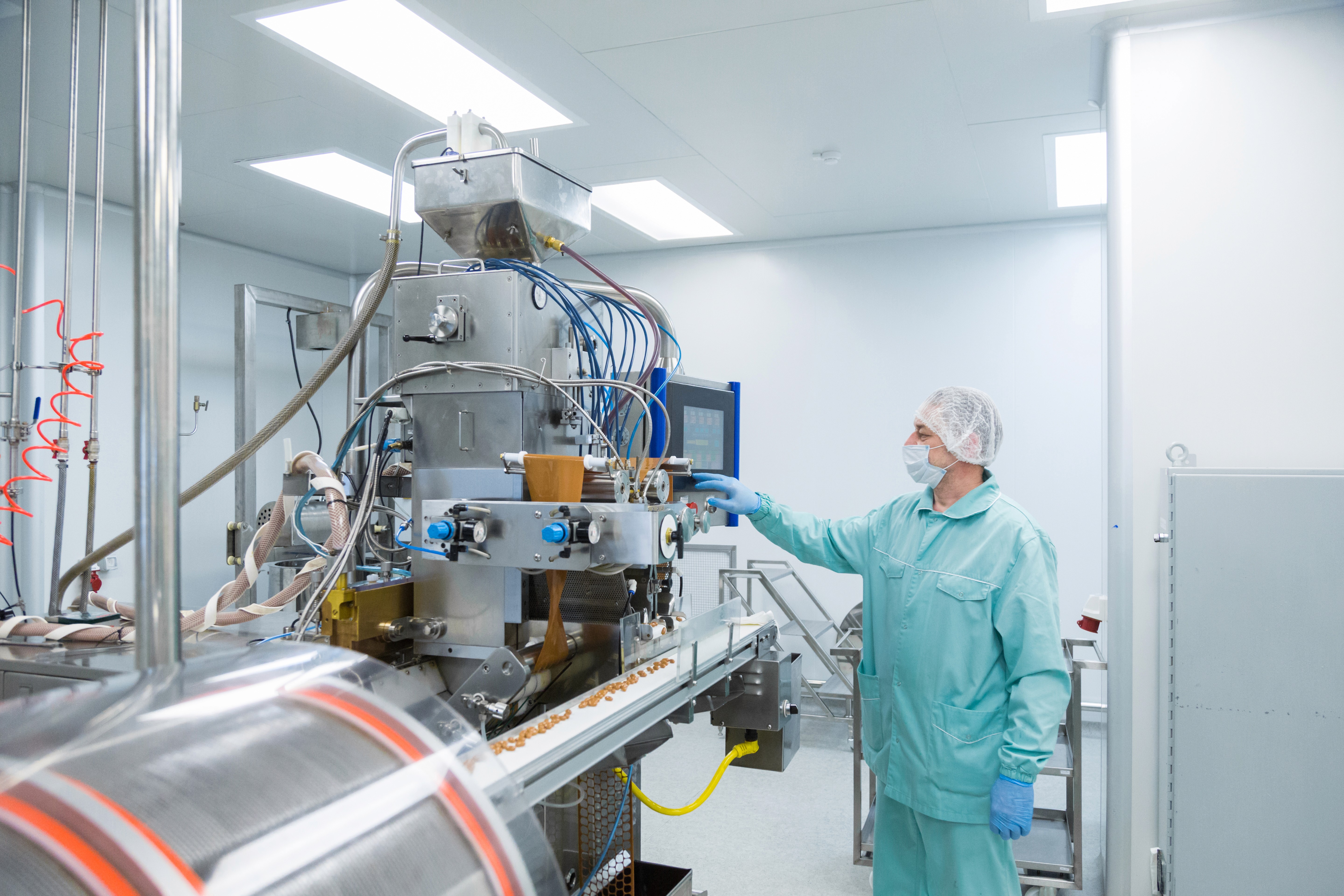
A GMP facility is any building or space where that manufacturing happens under those regulations. That includes pharmaceutical production plants, gene therapy labs, cell therapy suites, cleanrooms, and biotech research facilities.
If a drug is going to end up in a patient's body, the facility that made it almost certainly had to meet GMP standards.
Who sets the rules
In the United States, GMP regulations are enforced by the FDA. Internationally, the European Medicines Agency follows EU GMP guidelines - including Annex 1, which specifically governs sterile manufacturing environments.
These aren't suggestions. Facilities that don't meet GMP standards can be shut down, fined, or prohibited from distributing product. The stakes are high on both sides - for the manufacturer and for the patients depending on what they produce.
What makes a facility GMP
Not every building can become a GMP facility. There are specific design requirements that have to be met before manufacturing can begin.
The most important is zone classification. GMP facilities are divided into areas with different cleanliness levels - called ISO zones. Each zone controls how many airborne particles are allowed per cubic meter of air. The stricter the zone, the cleaner the environment has to be.
Pressure differentials between zones are carefully controlled so that air always flows from cleaner areas to less clean ones - never the other way around. This prevents contamination from moving in the wrong direction.
Personnel, product, raw materials, waste, and equipment all have designated paths through the facility. These are called flow paths. They are planned deliberately so that clean and contaminated items never share the same route.
Everything is documented. Every process, every zone boundary, every entry and exit point.
Why documentation is so hard to get right
A GMP facility is complex by design. The compliance logic built into the floor plan - the zone boundaries, the pressure cascade, the flow path routing - isn't always obvious from a standard architectural drawing.
That creates a real problem.
When a facility needs regulatory approval, the reviewers have to understand how it works. When a construction team is building it out, they have to understand what they're building. When a capital partner is funding it, they have to understand what they're investing in.
A floor plan alone doesn't always tell that story clearly enough.
Where visualization comes in
Animated GMP facility documentation translates the compliance logic of a floor plan into something any audience can follow. ISO zones are color coded. Flow paths are animated in sequence. Pressure cascade direction is visible. Compliance callouts are anchored to the right locations.
The facility becomes readable - not just to the engineers who designed it, but to everyone who needs to approve it, build it, or fund it.
That's what Repulse Studio builds.